Very surprised this morning to see an odd goose in a flock of Egyptian Geese. I was working by the cow sheds so didn't have any binoculars with me but the white blaze was visible from a distance. Luckily rain stopped play early which gave me the chance to rush home and pick up bins and camera.
Greater White-fronted Goose! Very pleased to see that here.
This is mainly a record of some of the birds I've seen. Many of the images are, at best, record shots.
Sunday, 22 January 2012
Saturday, 31 December 2011
Eastern Imperial Eagles
An excellent finish to 2011. Three juv Eastern Imperial Eagles sat together in one of the northern fields before flying off. Two went north but one flew towards me allowing fantastic views. The adult was also present in its usual spot on the western edge of the Nir Oz fields.
All in all, it's been an excellent few months birding here. Highlights for me were Steppe Grey Shrike (1), Sociable Plover (4 max.), Oriental Skylark (1), Richard's Pipit (1) and of course, the winter raptors (Eastern Imperial Eagle, Spotted Eagle, Lanner Falcon, Peregrine, Merlin, Common Buzzard, Long-legged Buzzard, Sparrowhawk, Pallid Harrier, Hen Harrier, Marsh Harrier). The winter fields have filled up with Lapwings, larks, pipits and Corn Buntings. Golden Plover passed through earlier (up to 49 in a single flock). A single Eleonora's Falcon and a small group of Levant Sparrowhawks seen from our porch were definitely the year's best garden birds.
The autumn passerine migration was a joy to see. Waves of Willow Warblers gave way to wintering Chiffchaffs. Black Redstarts replaced Redstarts. Bluethroats are numerous. Stonechats ditto. Two groups of Golden Orioles moved through. A single Savi's Warbler and a single Great Reed Warbler were highlights around the sewage pond. Also, a single Zitting Cisticola in the northern fields was a pleasant surprise.
Lesser Grey, Masked and Red-backed Shrikes were all common in season. No records of Woodchat Shrike yet.
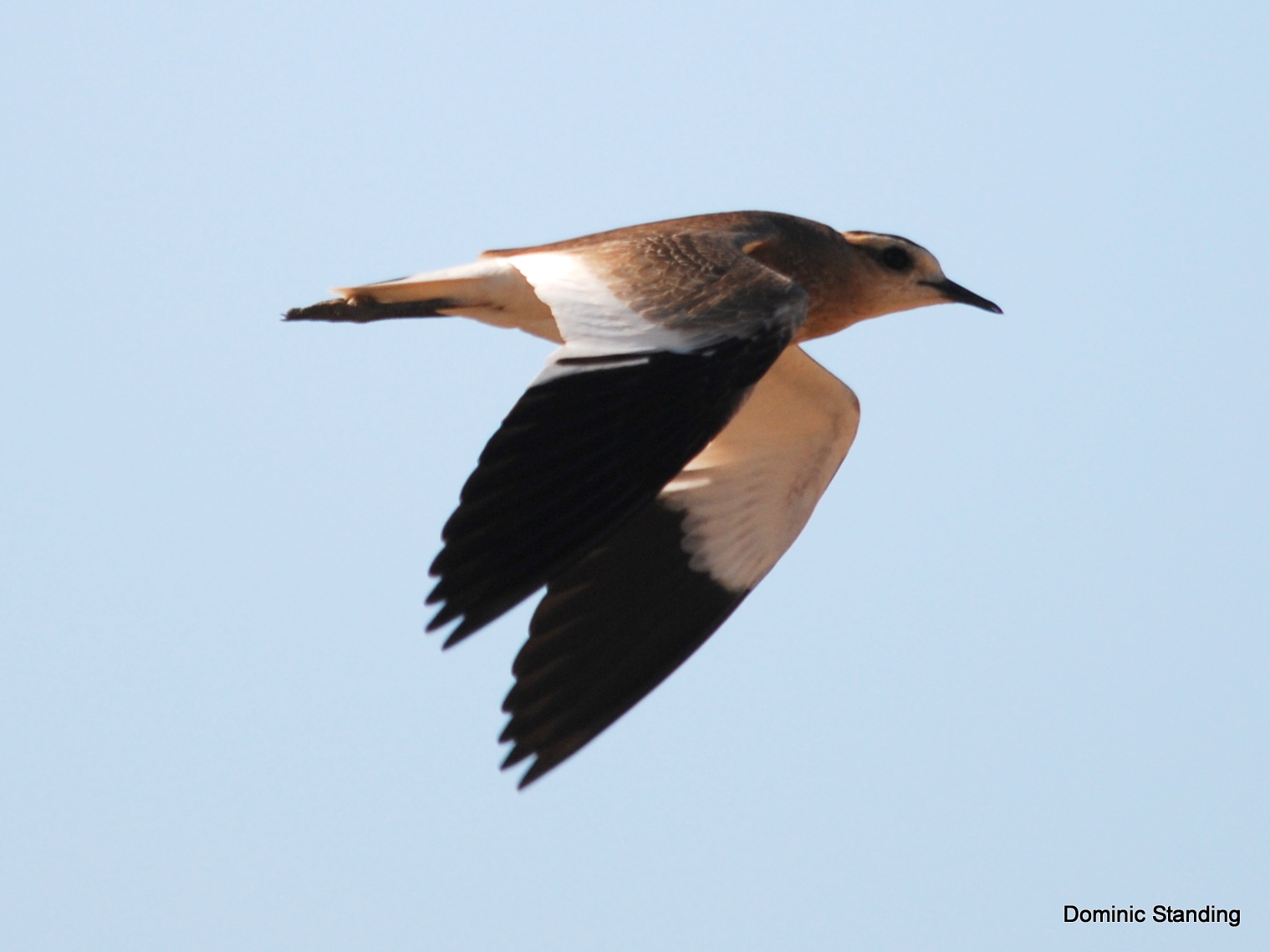
Stone Curlew numbers in the stock yard rose to 85 before they dispersed.
My brother came over for a week in October and we managed some superb birding around here and in the Arava. Hooded Wheatear, Sooty Falcon, Little Bittern, Crowned Sandgrouse were new for me. We found a very smart Grey Phalarope at Khehemin - a rarity here.
There's always 'one that got away' and my one was a possible Nightingale ssp. hafizi. It appeared briefly and then went to cover, frustrating several attempts on my part to relocate it. Oh well.
Looking forward to an exciting 2012 spring.
Monday, 12 December 2011
Sociable Plovers - lost and found
The Sociable Plovers have been missing for the last few days. The southern fields, where they were, were also denuded of Lapwings. I thought they may have moved on and so I was delighted to find three of them in the north fields. Once again, they were associated with a/the Lapwing flock.
The drive to the north fields turned up some good birds too. In the distance, to the west, a large falcon attacked a Peregrine which flew off low and very fast. The larger bird settled only to be attacked by a Black Kite. As they flew about I managed decent enough views to call it a Lanner Falcon.
Two Golden Jackal went sprinting across one of the ploughed fields. I've seen this pair on several occasions - they are wary but don't seem to mind human presence too much.
This Starling flock was amazing to see - beautifully choreographed flight: stills just don't do it justice.
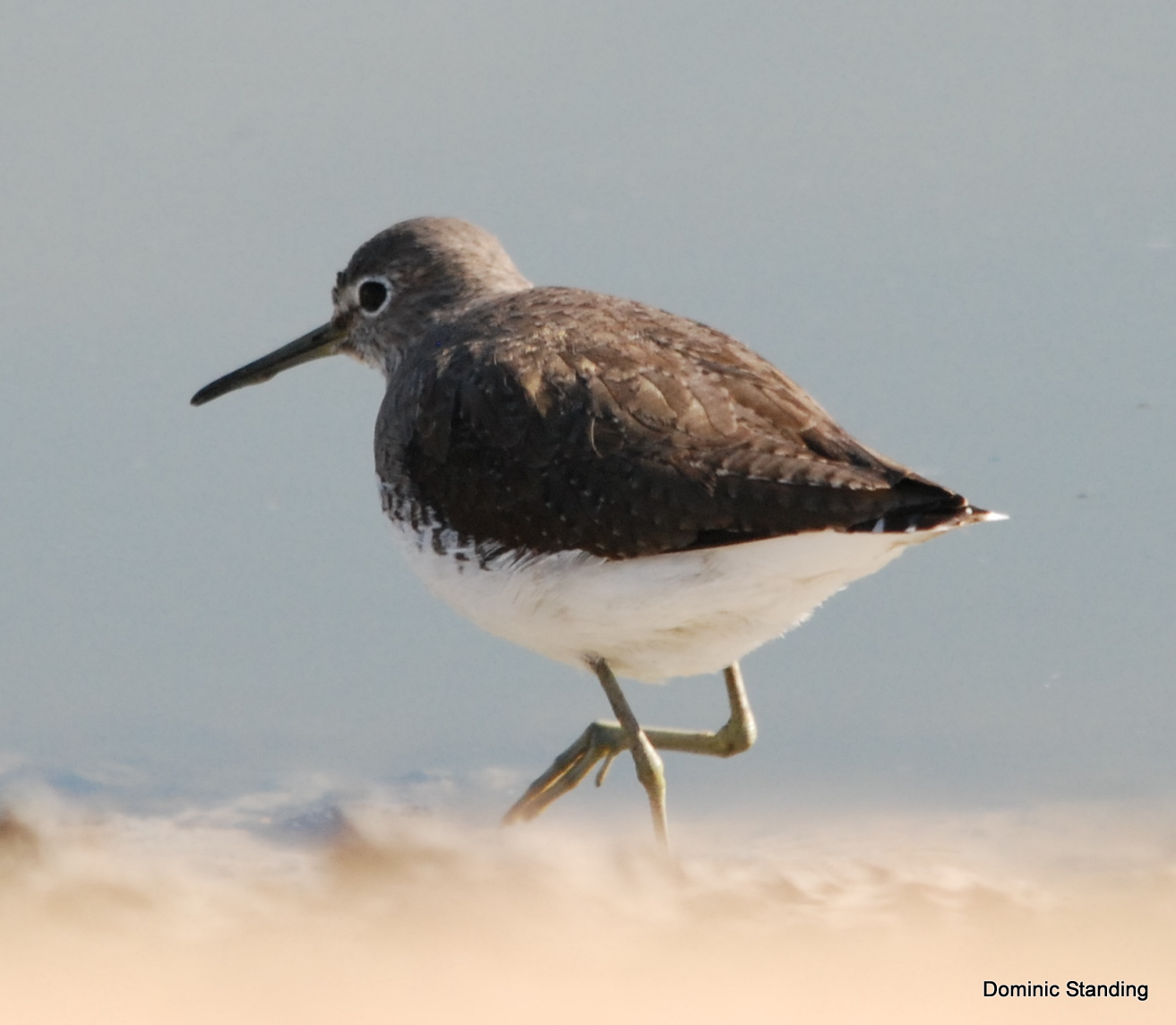
A quick check of the sewage pond produced this Common Sandpiper . . .
. . . two Snipe, several Bluethroats, Swallow and a Sparrowhawk directly overhead.
Thursday, 8 December 2011
Southern Grey Shrike
A bright and windy day - the larger raptors stay low, roosting in the fields and trees but the falcons come into their own. Many Kestrels, Sparrowhawks and one Merlin rocketing around the fields. The highlight today though was this Southern Grey Shrike. These grey shrikes can be challenging to identify but I'm confident that this is Lanius meridionalis ssp. elegans. Hopefully it's not passing through and will stay for the winter. This one perched,
preened,
flew down to catch an insect,
then flew off into the shrubs.
Every day brings good views of Eastern Imperial Eagle.
Kestrels are difficult to photograph - they don't allow close approach and fly off fast. I was pleased to get these two portraits of a female and male.
Numerous other common birds around. Meadow Pipits
and Red-throated Pipits among them.
Sunbirds appear to be increasingly active. The males are iridescent
and the females decidedly less so. They do have a charm of their own though.
preened,
flew down to catch an insect,
then flew off into the shrubs.
Every day brings good views of Eastern Imperial Eagle.
Magnificent birds. This juvenile caught the attention of a Hooded Crow - despite the poor quality of the shot I've included it to show the size differences between the two. Even though the crow is a bit ahead of the eagle the eagle has twice the wingspan.
An obliging Common Buzzard.
Numerous other common birds around. Meadow Pipits
and Red-throated Pipits among them.
Sunbirds appear to be increasingly active. The males are iridescent
and the females decidedly less so. They do have a charm of their own though.
Monday, 28 November 2011
Quiet days
The last few days have been fairly quiet in terms of new birds at Nir Oz. Having said that, the Steppe Grey Shrike, Sociable Plovers, Eastern Imperial Eagles, Hen and Pallid Harriers are all still here and have been joined by the Booted Eagle. Below are a few shots of some of the commoner birds around at the moment.
One of the numerous Kestrels, something edible in one of its claws.
A classic Isabelline Wheatear - upright stance, pale forehead and black alula.
Some of the Corn Bunting flock that like the fields near the pomegranate orchard.
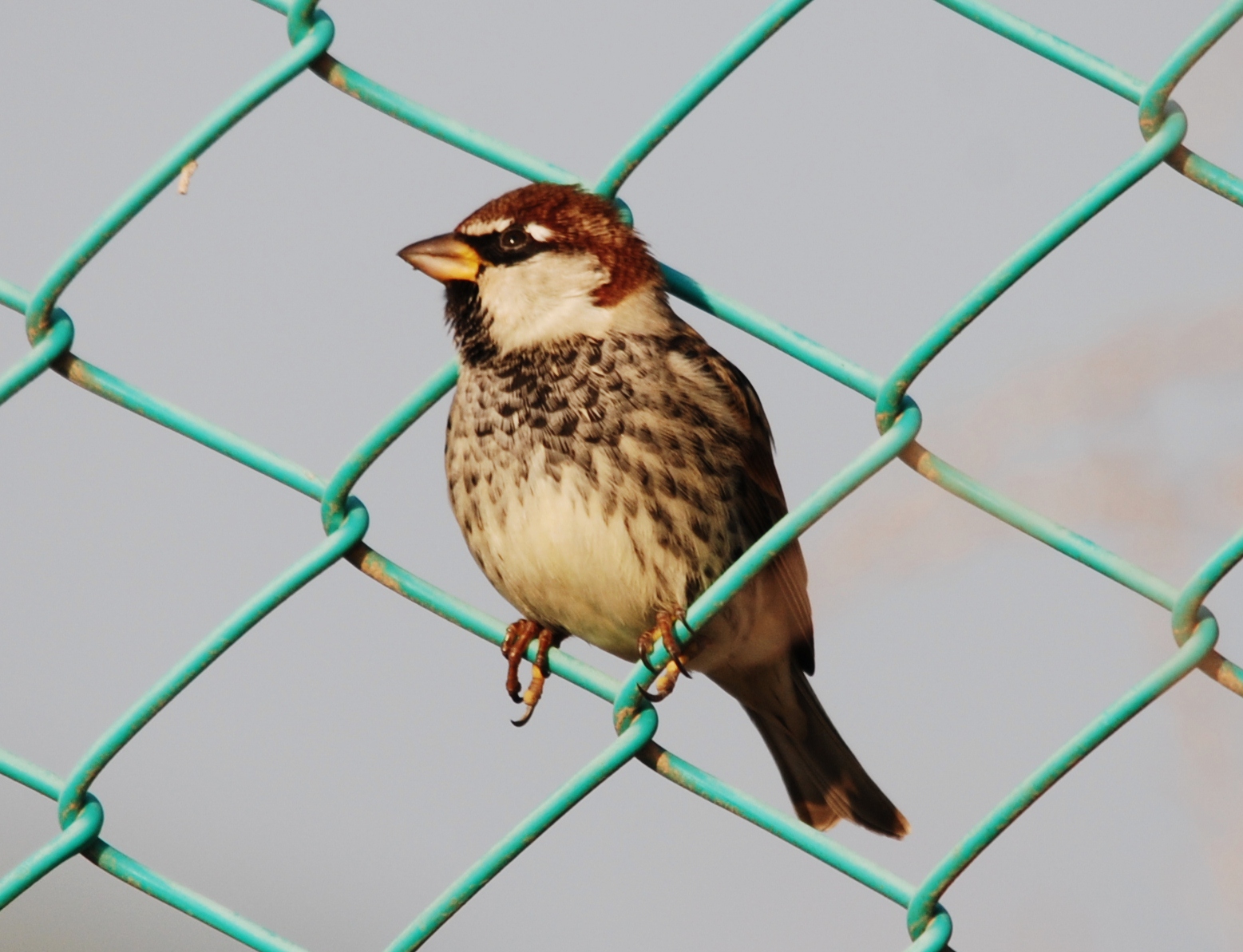
Spanish Sparrows are plentiful around the cowsheds - this individual looks like a composite of other Sparrow parts.
There were some 85 Stone Curlews together earlier in the Winter. They've dispersed now and most can be found near Magen.
One of the numerous Kestrels, something edible in one of its claws.
One of the Buzzards being mobbed by Hoodies.
A classic Isabelline Wheatear - upright stance, pale forehead and black alula.
Some of the Corn Bunting flock that like the fields near the pomegranate orchard.
Spanish Sparrows are plentiful around the cowsheds - this individual looks like a composite of other Sparrow parts.
There were some 85 Stone Curlews together earlier in the Winter. They've dispersed now and most can be found near Magen.
Spur-winged Lapwing - very common, very handsome and very noisy (pik! pik! pik! pik! pik!)
Friday, 25 November 2011
Flocks
Today was all about flocks . . .
. . . of 300+ Lapwings,
49 Golden Plover,
and many hundreds of Skylarks.
The GP flock has been increasing steadily from 7 to 17 yesterday to 50 today.
Both Eastern Imperial Eagles were in view today. The juv appears to have suffered some shotgun damage - there's a special place in hell for people who do this.
This Booted Eagle is a new one for me at Nir Oz. Despite the blurriness of the photo the 'landing lights' can clearly be seen.
Interesting size comparison with this Black Kite.
It was also good to the see the Sociable Plovers, Hen Harriers and a pair of Isabelline Wheatear.
Tuesday, 22 November 2011
Long-legged Buzzard, Hen Harrier and Eastern Imperial Eagles
Another superb day for raptors in the Nir Oz fields. After turning up a Marsh Harrier to the west of Nir Oz I returned to home ground. This stunning Long-legged Buzzard circled up in perfect light. A different individual from the one I saw a few days ago.
My attention was caught by an adult Eastern Imperial Eagle sitting on top of a distant tree. Very distinctive! It didn't allow for close inspection though and flew off at my approach.
Continuing on my rounds, I found the Sociable Plovers again, hunkered down between two crop lines and easily overlooked. The Merlin was also there, as were the obligatory Black Kites, Buzzards, Kestrels and Sparrowhawks. The northern fields were awash with larks again. This time I noticed three much larger larks in with a flock of skylarks. As they flew into land I saw the broad white trailing edge of the wings - Calandra larks! Sadly, no photos. The lark flocks were very skittish, presumably because two Hen Harriers were quartering the fields.
My attention was caught by an adult Eastern Imperial Eagle sitting on top of a distant tree. Very distinctive! It didn't allow for close inspection though and flew off at my approach.
A very different bird from the juvenile, below.
Subscribe to:
Posts (Atom)
NW India - 9th to 22nd February 2020 (Kosi River, Corbett NP, Haripur Dam, Pangot, Sattal, Chopta, Walterre)
If you look through the Birds of the Indian Subcontinent (Grimmett, Inskipp and Inskipp, 2011) you cannot help noticing the huge range of s...
-
Israel 10 – 17 March 2013 Introduction After a gap in 2012 (which was a shame because it was a vintage year for spring migration i...
-
If you look through the Birds of the Indian Subcontinent (Grimmett, Inskipp and Inskipp, 2011) you cannot help noticing the huge range of s...
-
We had one final morning before we had to return to Tbilisi for flights back home. Where else to go then but the famed Armash fish ponds?...